
Key Takeaways
- The core fear is valid: Outsourcing MRO to the wrong provider can result in a “black box” where you lose visibility into your own spend and alienate trusted local suppliers.
- Tactical vs. Strategic Control: In-house teams often have tactical control (putting out daily fires) but lack the strategic control required to leverage enterprise-wide data and drive profitability.
- Radical Transparency is non-negotiable: A true integrated supply partner doesn’t take your data; they clean it, host it on a transparent tech stack, and give you real-time dashboard access.
- You set the rules: You keep the strategic supplier relationships you value, while your partner manages the fragmented tail spend.
When Procurement Leaders and Supply Chain Executives consider moving to an MRO integrated supply model, the conversation usually stalls on a single, unspoken fear: “If I outsource this, do I lose my grip on daily operations?”
It’s a valid anxiety. You’ve spent years building supplier relationships, establishing purchasing workflows, and keeping facility operations humming. The idea of handing the keys over to a third party feels less like a strategic partnership and more like a leap into a black box.
At SDI, we believe in radical transparency. We know the outsourced MRO risks are real. If you partner with the wrong provider, you can lose visibility, alienate trusted local suppliers, and find yourself completely disconnected from your own spend data.
But staying stuck in the status quo—battling fragmented supplier networks, “dirty” MRO data, and technician downtime—is costing your organization time and money.
Here is the honest truth about MRO supply chain management: A true integrated supply partner doesn’t take away your control. They elevate it.
Here is how you can mitigate the risks of outsourcing and actually gain control over your MRO operations.
The Real Problem: Tactical vs. Strategic Control
To understand maintaining procurement control, we have to define what “control” actually means in today’s supply chain.
Right now, your team might have tactical control. You control the exact purchase orders, the daily phone calls to expedite shipping, and the manual reconciliation of invoices. But because your team is bogged down in these tactical weeds, you lack strategic control. You can’t see the big picture. You can’t leverage enterprise-wide spend data to drive negotiations.
When integrated supply models fail, it’s because the provider takes over the tactical work but obscures the data, leaving you completely in the dark.
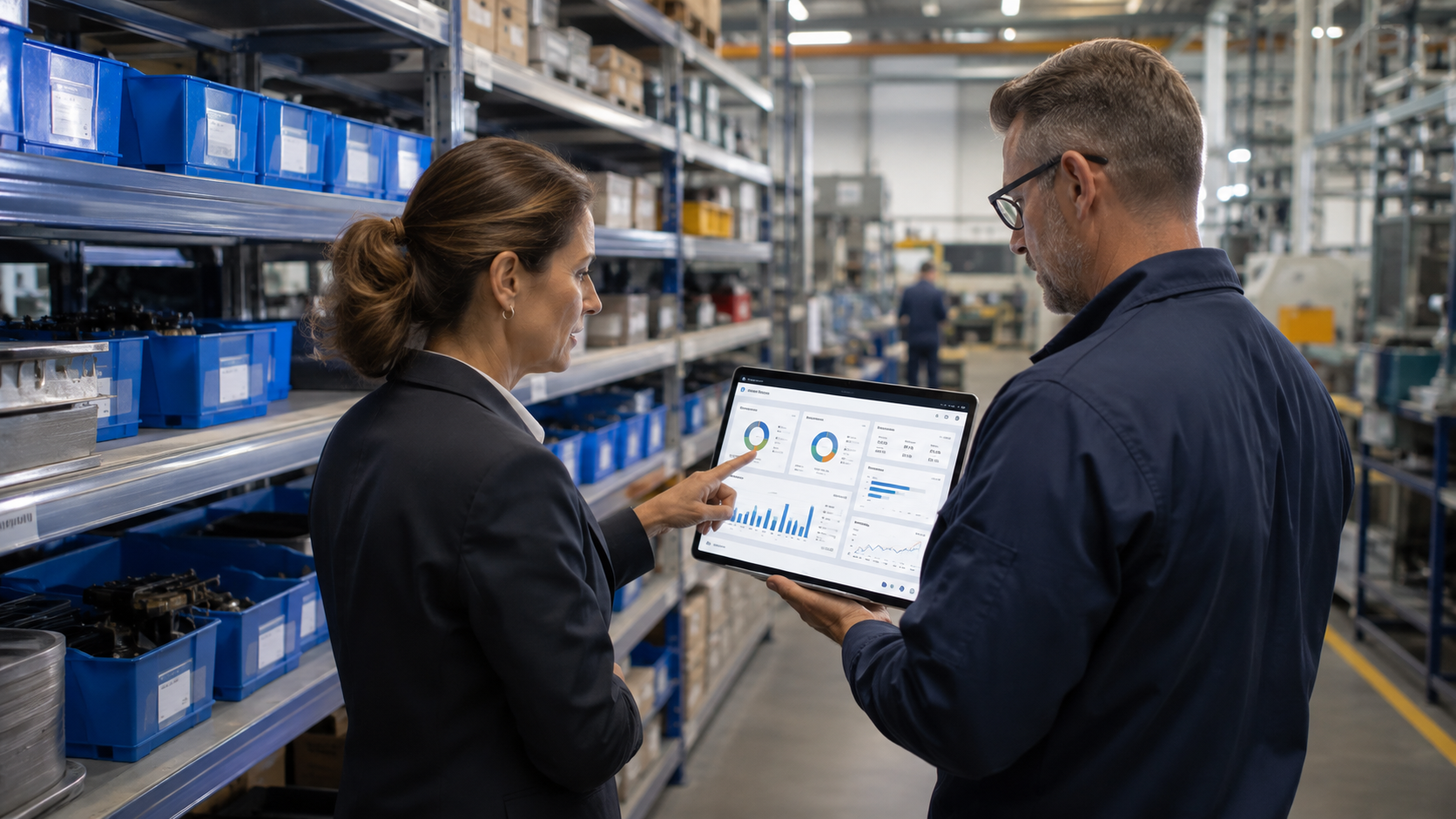
When it succeeds, the provider handles the tactical firefighting, cleanses the data, and hands you a crystal-clear dashboard. You stop managing parts and start managing performance.
How to Mitigate the Risks of MRO Outsourcing
If you are exploring an integrated supply solution, here are the non-negotiables you must demand to ensure you never lose control:
- Demand a Transparent Tech Stack: You should never have to ask your partner for your own data. An elite partner integrates with your existing ERP or CMMS. At SDI, we utilize our ZEUS platform to give you real-time visibility into inventory levels, spend analytics, and supplier performance. You see exactly what we see.
- Establish a “Rule of Engagement” for Suppliers: Fear of losing local, trusted suppliers is common. A true Guide doesn’t rip and replace your entire supplier network. Instead, you dictate the rules. You keep the strategic relationships you value, and the partner optimizes the fragmented “tail spend” you don’t have time to manage.
- Require Dedicated On-Site Leadership: You shouldn’t be communicating with a faceless call center. An integrated supply model works best when there is an on-site manager integrated into your facility, acting as a direct extension of your operations team.
- Set Hard KPIs and SLA Penalties: Control means holding your partner accountable. Tie their compensation to your success metrics—whether that is a 15-30% cost reduction, a specific inventory turn rate, or guaranteed asset uptime.
Your 3-Step Plan to Confident MRO Integration
You don’t have to choose between keeping your supply chain secure and optimizing it for the future. You can achieve both, and it is easier than you think.
- Assess Your Baseline: We start with an honest, objective audit of your current MRO spend, inventory accuracy, and workflow bottlenecks. No commitments, just data.
- Deploy Transparent Technology: We integrate our digital supply chain tools (like ZEUS and RFID tracking) directly into your ecosystem, instantly cleaning your data and providing real-time dashboards.
- Reclaim Strategic Command: We handle the daily procurement and inventory management. You use your new visibility to make high-level strategic decisions that drive profitability.
The Cost of Doing Nothing
The tragedy of holding onto tactical control is that it leaves your organization incredibly vulnerable to supply chain volatility. Without clean data and centralized buying power, you face ongoing budget waste, unpredictable operational standstills, and a frustrated procurement team burnt out by busywork.
But when you partner with a Guide who brings $1B+ in collective buying power and specialized inventory algorithms to the table, you transform MRO from a cost center into a competitive advantage. You don’t lose control—you finally get your hands on the steering wheel.
FAQs
How much does an MRO integrated supply program actually cost?
Pricing is rarely a flat fee; it is driven by your annual MRO spend volume, the number of facilities in your network, and the current state of your master data. However, the goal of a true integrated supply model is to be self-funding. Through supplier consolidation, tail spend management, and process efficiencies, SDI typically drives a 15% to 30% reduction in total cost of ownership (TCO), offsetting the cost of the service itself.
In-house procurement vs. outsourced MRO management: Which is better?
If your MRO spend is highly centralized, your data is perfectly clean, and your procurement team has the bandwidth to strategically negotiate every category, in-house management works. However, if your team is bogged down by spot-buys, rogue spending on the plant floor, and unpredictable stockouts, outsourcing to a specialized MRO partner provides the technology and buying power required to scale efficiently.
What are the biggest risks of outsourcing MRO, and how do we avoid them?
The biggest risk is the “black box” effect—where a provider takes over buying but hides their margins and data. You avoid this by writing radical transparency into your contract. Demand open-book pricing, direct access to the supply chain tech stack (like SDI’s ZEUS platform), and strict SLAs tied to operational uptime and cost savings.
Take the Next Step
Ready to see exactly where your MRO operations stand?
Schedule a free, no obligation supply chain assessment today.